Factory Safety Regulations: Essential Guidelines for Compliance
Ensuring workplace safety is paramount in industrial settings. Factory safety regulations not only protect workers but also contribute to operational efficiency and business success. Let’s explore the essential guidelines and requirements for maintaining a safe manufacturing environment.
Understanding Factory Safety Regulations
Factory safety regulations are comprehensive guidelines designed to protect workers from potential hazards in industrial environments. These regulations serve as the backbone of workplace safety programs, ensuring that employers maintain safe working conditions and minimize risks to employee health and well-being. In the United States, these standards are primarily governed by the Occupational Safety and Health Administration (OSHA), which sets and enforces protective workplace safety and health standards across various industries.
Compliance with factory safety regulations isn’t just a legal obligation—it’s a foundational element of responsible business practices. These regulations cover everything from machine guarding and electrical safety to proper ventilation and emergency preparedness. By implementing these safety measures, factories can significantly reduce workplace accidents, injuries, and potential fatalities. Additionally, proper safety protocols can improve operational efficiency, reduce insurance costs, and enhance overall workplace morale.
The Role of OSHA in Factory Safety
The Occupational Safety and Health Administration (OSHA) plays a pivotal role in ensuring factory safety across America. Established in 1970, this regulatory body develops and enforces safety standards that protect workers from workplace hazards. OSHA’s influence extends throughout the industrial sector, where it monitors compliance through regular inspections and investigations of workplace incidents.
- Provides comprehensive FAQ sections
- Maintains extensive A to Z Index for safety topics
- Offers detailed industry-specific guidelines
- Provides consultation services
- Helps businesses identify potential hazards
- Assists in implementing effective safety programs
Key Components of Factory Safety Regulations
Factory safety regulations encompass several critical components that work together to create a comprehensive safety framework. At their core, these regulations address hazard identification and risk assessment—systematic processes for recognizing potential dangers and evaluating their severity.
- Regular workplace inspections
- Job hazard analyses
- Equipment evaluations
- Engineering controls and safe equipment design
- Machine guards and emergency stop systems
- Proper ventilation systems
- Written safety policies
- Regular training programs
- Documentation of safety procedures
Personal Protective Equipment (PPE) and Its Importance
Personal Protective Equipment (PPE) serves as a critical line of defense against workplace hazards in factory environments. This specialized gear is designed to protect workers from potential injuries, illnesses, and fatalities when engineering controls and administrative measures cannot fully eliminate risks.
The effectiveness of PPE extends beyond mere compliance—it directly impacts productivity, employee morale, and a company’s bottom line. Research shows that factories with robust PPE programs experience fewer work stoppages due to injuries, lower workers’ compensation costs, and improved operational efficiency.
Types of Personal Protective Equipment
| Protection Type | Equipment Examples | Purpose |
|---|---|---|
| Head Protection | Hard hats, bump caps | Protection from falling objects and low clearance areas |
| Eye and Face Protection | Safety glasses, goggles, face shields | Protection from debris, chemicals, and radiation |
| Respiratory Protection | Disposable masks, air-purifying respirators | Filtration of airborne contaminants |
| Hand Protection | Cut-resistant gloves, chemical-resistant gauntlets | Protection from cuts, burns, and harmful substances |
| Foot Protection | Safety boots with steel toes, puncture-resistant soles | Prevention of crushing injuries and penetration |
Employer Responsibilities for Providing PPE
Employers bear significant legal and ethical responsibilities regarding Personal Protective Equipment in factory settings. OSHA regulations mandate comprehensive hazard assessments to determine necessary PPE requirements, with employers required to provide appropriate equipment at no cost to workers.
- Conduct and document regular hazard assessments
- Provide PPE that meets ANSI and NIOSH safety standards
- Ensure proper fit for each individual worker
- Maintain equipment in good working condition
- Update assessments as workplace conditions change
- Keep detailed records of equipment distributions
- Document all training sessions and inspections
Implementation of comprehensive PPE training programs is essential. These programs must educate workers on equipment selection, proper usage, and limitations. Training should occur at hiring, annually thereafter, and whenever workplace conditions change. Consistent enforcement of PPE policies remains crucial, as even the most advanced protective equipment provides no benefit unless worn correctly and consistently.
Safety Training and Education for Factory Workers
Safety training and education serve as foundational elements of effective workplace safety programs. Research demonstrates that factories implementing thorough safety training experience up to 70% fewer workplace accidents compared to those with minimal protocols. This comprehensive approach equips workers with essential knowledge and skills for hazard recognition, safe machinery operation, and emergency response.
Mandatory Safety Training Programs
- Job-specific skills and machinery operation
- Quality protocol and inspection procedures
- Regulatory compliance and OSHA standards
- Emergency response protocols
- Maintenance and troubleshooting procedures
- Documentation requirements
These programs utilize diverse instructional methods including hands-on demonstrations, interactive simulations, video tutorials, and written materials. Training must be provided in languages workers understand, considering literacy levels and cultural backgrounds. Regular refresher courses and assessments ensure knowledge retention and skill maintenance over time.
Benefits of Regular Safety Drills
| Benefit Type | Impact |
|---|---|
| Emergency Response | Up to 60% faster evacuation times with monthly drills |
| System Evaluation | Identifies weaknesses in emergency protocols |
| Equipment Testing | Ensures functionality of safety systems and gear |
| Team Dynamics | Clarifies roles and responsibilities during crises |
| Safety Culture | Demonstrates management commitment to worker safety |
Emergency Procedures and Preparedness
Effective emergency procedures and preparedness are vital components of factory safety regulations. Facilities with well-established emergency protocols experience up to 50% fewer serious injuries during crisis situations. A comprehensive emergency preparedness framework must address multiple scenarios, including fires, chemical releases, severe weather events, medical emergencies, and workplace violence.
- Specific response protocols for different emergency types
- Clearly documented evacuation routes
- Designated personnel responsibilities
- Regular review and updates of procedures
- Strategic placement of emergency equipment
- Easy accessibility of action plans
- Integration with daily operations
Establishing Effective Emergency Procedures
A comprehensive risk assessment forms the foundation of effective emergency procedures in manufacturing facilities. This assessment evaluates potential hazards including machinery risks, chemical exposures, natural disasters, and facility-specific dangers.
- Develop detailed written protocols for each emergency scenario
- Create clear step-by-step response procedures
- Establish communication chains and evacuation routes
- Designate specific meeting points
- Document procedures in multiple languages
- Assign emergency response teams with defined roles
- Implement specialized training programs
Communication systems serve as the backbone of emergency response, incorporating alarms, intercom announcements, emergency phones, and mass notification technology. Regular review and revision of procedures based on drill outcomes, near-miss incidents, and operational changes ensure protocols remain effective as manufacturing processes evolve.
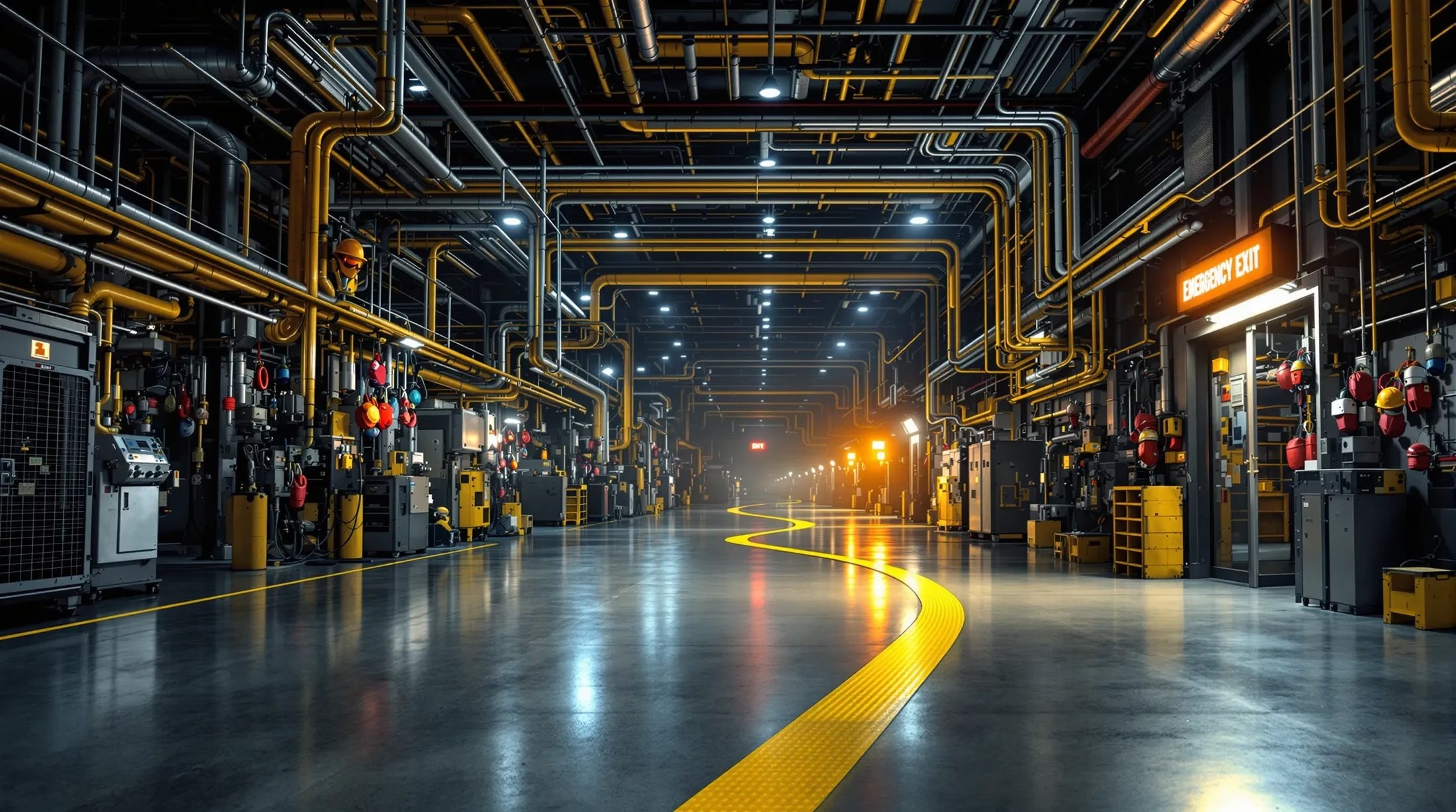
Importance of Clearly Marked Emergency Exits
| Exit Marking Component | Safety Feature |
|---|---|
| Illuminated Signage | Visible during power outages |
| Directional Indicators | Guide workers along evacuation routes |
| Floor Markings | Remain visible through smoke conditions |
| Low-placed Lighting | Visible below smoke levels |
| Tactile Guidance | Assists visually impaired workers |
Strategic exit marking significantly impacts evacuation efficiency, with optimally marked facilities achieving complete evacuation up to 30% faster than those meeting minimum standards. Regular testing of emergency lighting systems and frequent inspection of exit pathways ensures these critical systems remain functional during emergencies.
Handling and Storing Hazardous Materials
Proper management of hazardous materials is crucial for worker safety and regulatory compliance in factory environments. Chemical-related incidents account for approximately 25% of serious workplace injuries in manufacturing settings, emphasizing the need for robust hazardous material protocols that integrate risk assessment, engineering controls, and appropriate personal protective equipment.
Proper Labeling and Storage of Chemicals
- Implement GHS-compliant labeling systems
- Include product identifiers and hazard pictograms
- Maintain clear hazard statements and precautionary information
- Utilize color-coding systems for quick identification
- Ensure proper chemical segregation
- Install appropriate ventilation systems
- Maintain secondary containment measures
- Track inventory and expiration dates
Chemical storage requires specialized infrastructure with proper ventilation, temperature control, and appropriate fire suppression systems. Regular inspections of storage areas ensure container integrity, proper segregation, and adequate hazard controls throughout the facility.
Managing Chemical Hazards in the Workplace
Effective chemical hazard management in manufacturing environments begins with comprehensive risk assessment that identifies potential exposure routes, toxicity levels, and physical hazards associated with each substance. This assessment evaluates normal operations, maintenance activities, and emergency scenarios to establish proper safety protocols.
- Implement hierarchy of controls starting with hazard elimination
- Install engineering controls like enclosure systems
- Utilize local exhaust ventilation systems
- Deploy automated handling equipment
- Establish restricted access to hazardous areas
- Conduct regular safety meetings
- Maintain detailed written procedures
Worker training must encompass hazard recognition, proper handling techniques, emergency response procedures, and specific PPE usage. Facilities should implement monitoring programs to evaluate air quality, surface contamination, and worker exposure levels, ensuring control measure effectiveness. Robust response protocols, including spill containment and decontamination methods, are essential for incident management.
Conducting Regular Safety Audits and Inspections
Manufacturing facilities implementing comprehensive audit programs experience up to 60% fewer workplace incidents compared to those with reactive approaches. These structured evaluations serve as proactive tools for hazard identification while maintaining OSHA compliance and improving operational efficiency.
The Process of Safety Audits
- Define clear audit objectives and assemble appropriate teams
- Develop comprehensive, customized checklists
- Review previous audit reports and incident logs
- Conduct systematic workplace examinations
- Document findings with specific details
- Create formal reports with prioritized actions
- Establish timelines for completion
Benefits of Regular Safety Inspections
| Benefit Category | Impact |
|---|---|
| Incident Reduction | 35% fewer lost-time incidents |
| Financial Benefits | Reduced compensation costs and insurance premiums |
| Operational Efficiency | Improved workflow and equipment performance |
| Safety Culture | Enhanced employee trust and engagement |
| Legal Protection | Documented due diligence for compliance |
Regular safety inspections strengthen organizational safety culture while providing valuable evidence of due diligence during regulatory inspections. This systematic approach transforms safety activities into drivers of operational excellence and competitive advantage.
Implementing Fire Safety Measures
Fire safety represents a critical component of factory safety regulations, with data showing that well-implemented measures can reduce major fire incidents by up to 70%. Implementation begins with comprehensive risk assessment to identify potential ignition sources, combustible materials, and high-risk production areas specific to manufacturing processes.
- Engineering controls including fire-resistant materials
- Proper ventilation systems
- Appropriate electrical installations
- Hot work permit programs
- Smoking restrictions
- Regular housekeeping procedures
- Coordinated emergency response plans
Essential Fire Safety Equipment
| Extinguisher Class | Application |
|---|---|
| Class A | Ordinary combustibles |
| Class B | Flammable liquids |
| Class C | Electrical equipment |
| Class D | Combustible metals |
Comprehensive fire safety infrastructure includes integrated detection and alarm systems with smoke detectors, heat sensors, manual pull stations, and audible/visual alarms. Advanced suppression systems, including automatic sprinklers, fire pumps, and specialized equipment, provide crucial protection for larger operations. Emergency lighting, illuminated exit signs, and evacuation maps ensure safe evacuation during emergencies.
Regular Maintenance of Fire Safety Systems
- Monthly visual inspections of fire extinguishers
- Quarterly testing of alarm systems
- Annual professional inspections of suppression equipment
- Five-year certifications of sprinkler systems
- Daily operational checks by trained personnel
- Digital tracking of inspection timelines
- Immediate response protocols for deficiencies
Accident Reporting and Investigation Procedures
Manufacturing facilities with robust accident reporting systems experience up to 50% fewer recurring incidents compared to those with minimal protocols. Digital reporting solutions enable real-time incident notification, centralized data management, and improved tracking of corrective actions.
- Standardized documentation workflows
- Clear reporting channels
- Established OSHA-compliant timelines
- Environmental condition documentation
- Equipment involvement records
- Detailed injury or damage assessment
- Trend analysis capabilities
Defining Clear Accident Reporting Procedures
Clear accident reporting procedures require comprehensive definitions of reportable incidents, from near-misses to severe injuries. These definitions must align with OSHA standards while addressing specific factory risks identified through assessments.
- Designated reporting personnel and chain of command
- Required incident information documentation
- Critical notification timeframes
- Standardized documentation tools and forms
- Digital reporting platform implementation
- Automated notification systems
- Regular procedural training requirements
| Documentation Element | Required Information |
|---|---|
| Incident Timeline | Date, time, sequence of events |
| Personnel Details | Involved parties, witnesses |
| Environmental Factors | Workplace conditions, lighting, weather |
| Equipment Status | Operational condition, maintenance records |
| Initial Assessment | Preliminary cause evaluation |
Investigating Workplace Incidents
Effective incident investigations employ a systematic approach to identify both immediate causes and underlying system failures. The process begins with securing the incident scene and collecting physical evidence while memories are fresh.
- Scene preservation and evidence collection protocols
- Witness interview procedures
- Root cause analysis methodology
- Technical expert consultation process
- Employee representative involvement
- Corrective action implementation tracking
- Aggregate data analysis for pattern identification
Investigation teams compile comprehensive reports documenting findings and recommending specific preventive measures. These recommendations follow the hierarchy of controls, prioritizing hazard elimination before administrative controls. Each corrective action receives clear ownership, deadlines, and accountability measures, demonstrating the facility’s commitment to continuous safety improvement.