Solar Panel Cleaning: Essential Tips for Optimal Performance
Maximize your solar energy investment by understanding the critical role of panel maintenance. Research demonstrates that dirty solar panels can reduce power output by 7-50%, significantly impacting both your energy production and return on investment. Let’s explore how proper cleaning can optimize your solar system’s performance and longevity.
Why Solar Panel Cleaning is Crucial for Efficiency
Solar panel cleaning directly affects your renewable energy system’s performance. When panels accumulate dust, pollen, and bird droppings, their ability to absorb sunlight diminishes substantially. Clean panels operate at peak efficiency, delivering the maximum power output your system was designed to achieve.
| Climate Type | Potential Power Loss |
|---|---|
| Moderate Climate | 7-15% |
| Middle Eastern Climate | Up to 50% |
Impact of Dirt and Debris on Solar Panels
The industry term “soiling” refers to the accumulation of debris that blocks sunlight from reaching photovoltaic cells. A California study revealed that panels left uncleaned for 145 days during summer drought experienced a 7.4% efficiency loss. Different types of debris affect panels uniquely:
- Bird droppings and tree sap create damaging “hot spots”
- Pollen and fine dust form efficiency-reducing films
- Even minimal dirt accumulation can decrease performance by up to 25%
Benefits of Regular Solar Panel Maintenance
Regular maintenance delivers multiple advantages beyond immediate efficiency gains:
- Extended system lifespan (beyond the typical 25-30 years)
- Maintained warranty coverage
- Prevention of material degradation
- Improved property value
- Enhanced curb appeal
How Often Should You Clean Your Solar Panels?
While experts recommend cleaning solar panels 1-2 times annually, natural rainfall typically maintains 95% efficiency. However, monitoring system performance provides the most reliable indicator for cleaning frequency, especially in dry regions or during droughts.
Factors Influencing Cleaning Frequency
Environmental conditions significantly impact cleaning requirements:
- Dusty regions or construction zones require 3-4 cleanings annually
- Desert installations may need monthly maintenance during peak dust seasons
- Coastal areas demand quarterly cleaning due to salt spray
- Areas with frequent rainfall require minimal intervention
- Panel installation angle affects natural debris removal
Seasonal Considerations for Solar Panel Cleaning
Each season presents unique maintenance challenges:
| Season | Primary Challenges |
|---|---|
| Spring | Pollen accumulation, increased bird activity |
| Summer | Dust buildup in dry regions |
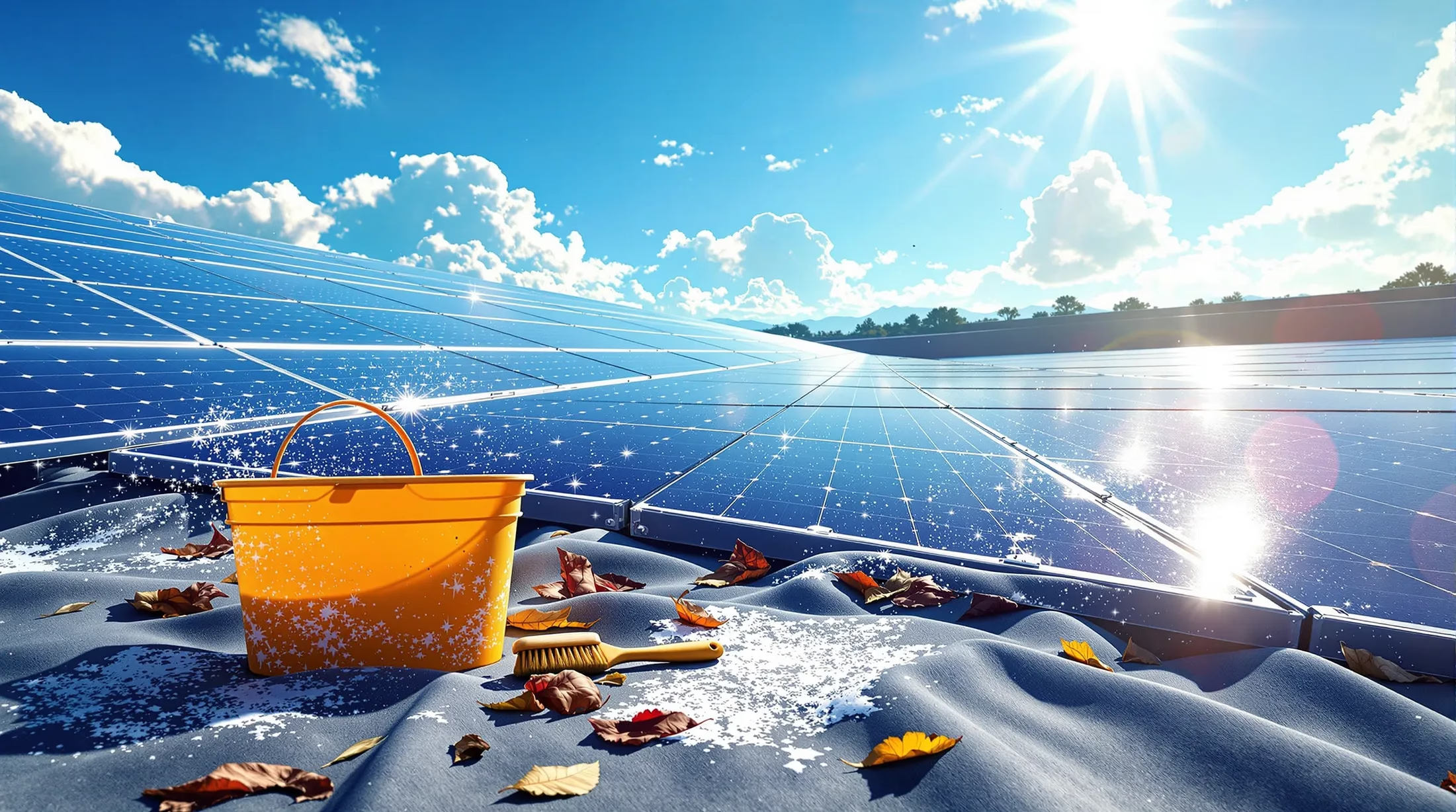
| Fall | Falling leaves, pine needles |
| Winter | Snow accumulation, natural rain cleaning |
DIY Solar Panel Cleaning: Tips and Tools
Maintaining your solar panels doesn’t always require professional intervention. For ground-mounted systems and rooftop installations on single-story homes, DIY cleaning offers a practical and cost-effective solution. With proper techniques, homeowners can safely maintain their panels and ensure optimal energy production.
Successful DIY solar panel cleaning depends on using appropriate tools and gentle techniques. Since solar panels represent a significant investment, avoid harsh chemicals or abrasive materials that could damage their protective glass surface. While professional services have their place for difficult-to-reach installations, regular DIY maintenance keeps systems operating efficiently year-round.
Essential Tools for Cleaning Solar Panels
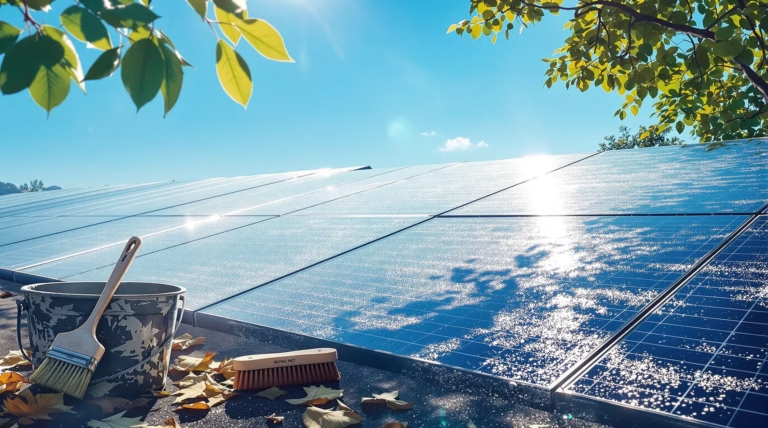
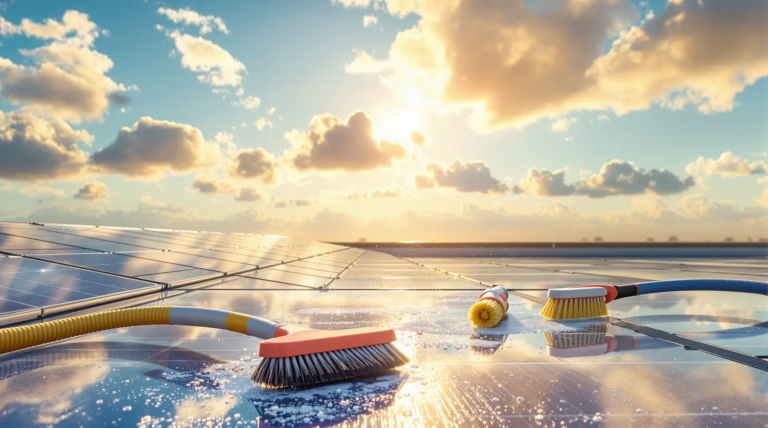
- Soft-bristle brush with long handle
- Garden hose with spray nozzle
- Bucket for cleaning solution
- Mild, non-abrasive detergent or vinegar solution
- Squeegee with soft rubber blade
- Microfiber cloths
When selecting cleaning solutions, gentler is better. Many manufacturers recommend using only water, but for stubborn grime, a mild soap-free cleaner works well. Alternatively, mix water with a small amount of vinegar for an effective, residue-free solution. Always review your panel manufacturer’s maintenance guidelines, as warranty terms may include specific recommendations.
Step-by-Step Guide to Cleaning Solar Panels Yourself
- Turn off the solar panel system according to manufacturer instructions
- Choose early morning or evening when panels are cool
- Rinse panels with plain water to remove loose debris
- Apply gentle cleaning solution with soft-bristle brush
- Work from top to bottom, maintaining ground position
- Thoroughly rinse to remove all soap residue
- Use squeegee or soft cloth to remove water spots
When to Hire Professional Solar Panel Cleaning Services
Professional intervention becomes necessary in specific situations, particularly for rooftop solar systems where safety equipment and expertise are essential. While ground-mounted units can typically be maintained by owners, certain environmental factors may require professional attention.
| Condition | Professional Service Recommended |
|---|---|
| Coastal locations | Salt spray accumulation |
| Heavy pollution areas | Stubborn residue removal |
| Post-storm assessment | Damage inspection and cleaning |
| Significant performance drop | Professional diagnosis needed |
Advantages of Professional Cleaning
- Enhanced safety with proper equipment and expertise
- Superior cleaning results using commercial-grade tools
- Early detection of potential system issues
- Improved efficiency – up to 25% in heavily soiled systems
- Convenience for elderly or mobility-limited homeowners
- Visual inspection during cleaning process
Choosing the Right Solar Panel Cleaning Service
Selecting a qualified solar panel cleaning service requires thorough research to protect your investment. Focus on companies specializing in solar panel maintenance rather than general cleaning services. Professional providers should demonstrate expertise with your specific panel type and mounting system to prevent potential damage.
- Verify cleaning methodology – look for services using deionized water systems, soft brushes, and non-abrasive solutions
- Request proof of liability insurance coverage
- Check references from clients with similar installations
- Review online testimonials for consistent service quality
- Compare detailed quotes specifying included services
- Evaluate scheduling flexibility and maintenance plans
Quality providers will assess your system’s specific needs based on local conditions rather than offering standardized solutions. They should inquire about your system’s performance history and particular cleaning requirements to develop a tailored maintenance approach.
Safety and Environmental Considerations
Safety is paramount when working with electrical equipment at heights. Always deactivate your solar panel system according to manufacturer guidelines before cleaning. This precaution prevents electrical hazards and protects the panels during maintenance. If uncertain about shutdown procedures, consult your installation manual or contact your installer.
Location safety presents significant challenges, particularly with rooftop installations. Whenever possible, use extension tools to clean panels from ground level. For installations requiring roof access, work with a partner to ensure ladder stability and emergency assistance. Consider professional services for systems on steep roofs or multi-story buildings, where risks outweigh DIY benefits.
Safety Tips for Cleaning Solar Panels
- Wear appropriate protective gear (rubber-soled shoes, rubber gloves)
- Use extension tools with telescoping handles for ground-level cleaning
- Maintain three points of contact when using ladders
- Clean during cool hours (early morning or evening)
- Avoid cleaning during adverse weather conditions
- Stay clear of electrical connections under panels
Environmental Impact of Solar Panel Cleaning
While solar energy promotes sustainability, cleaning methods can affect the environment. Traditional cleaning approaches often use treated water and chemical agents that may harm local ecosystems. Consider implementing rainwater collection systems for cleaning, as naturally soft rainwater proves excellent for panel maintenance while conserving treated water supplies.
| Eco-Friendly Cleaning Solutions | Benefits |
|---|---|
| Plain water | Sufficient for routine cleaning, zero environmental impact |
| Water-vinegar mixture | Effective cleaning, biodegradable solution |
| Biodegradable cleaners | Phosphate-free, environmentally safe |
Direct cleaning runoff toward garden areas rather than storm drains when possible, transforming potential environmental concerns into benefits. This approach maintains optimal panel performance while supporting sustainable practices.