How Often Do Solar Panels Need to Be Cleaned? Essential Guide
Investing in solar panels is a significant step towards sustainable energy, but their effectiveness relies heavily on proper maintenance. Let’s explore the essential aspects of solar panel cleaning to help you maximize your energy production and protect your investment.
Understanding the Importance of Solar Panel Cleaning
Solar panel cleaning is a vital maintenance task that directly impacts system performance and longevity. While these systems are designed for minimal maintenance, they aren’t completely self-sufficient. Regular cleaning ensures optimal efficiency, with natural rainfall typically maintaining about 95% of performance by washing away basic dust and debris.
Why Clean Solar Panels?
Clean panels deliver superior performance by allowing maximum sunlight to reach photovoltaic cells. When debris accumulates, it creates a barrier that can significantly impact energy production – proper cleaning can boost efficiency by up to 30%. Regular maintenance also helps identify potential issues early, preventing costly repairs and ensuring warranty compliance.
Impact of Dirt and Debris on Solar Panel Performance
- Uniform dust – causes moderate efficiency reduction
- Bird droppings – create problematic “hot spots”
- Tree sap – leads to localized performance issues
- Salt spray (coastal areas) – causes gradual performance degradation
- Industrial pollution – creates stubborn residue affecting efficiency
How Often Should You Clean Your Solar Panels?
The recommended cleaning frequency is 1-2 times annually, though this varies based on environmental conditions. Performance monitoring often provides the best indication of when cleaning is necessary, with noticeable drops in energy production serving as key indicators.
Factors Influencing Cleaning Frequency
| Environmental Factor | Impact on Cleaning Needs |
|---|---|
| Dusty/Desert Regions | More frequent cleaning required |
| Industrial Areas | Regular cleaning needed due to pollutants |
| Coastal Locations | Salt spray requires consistent maintenance |
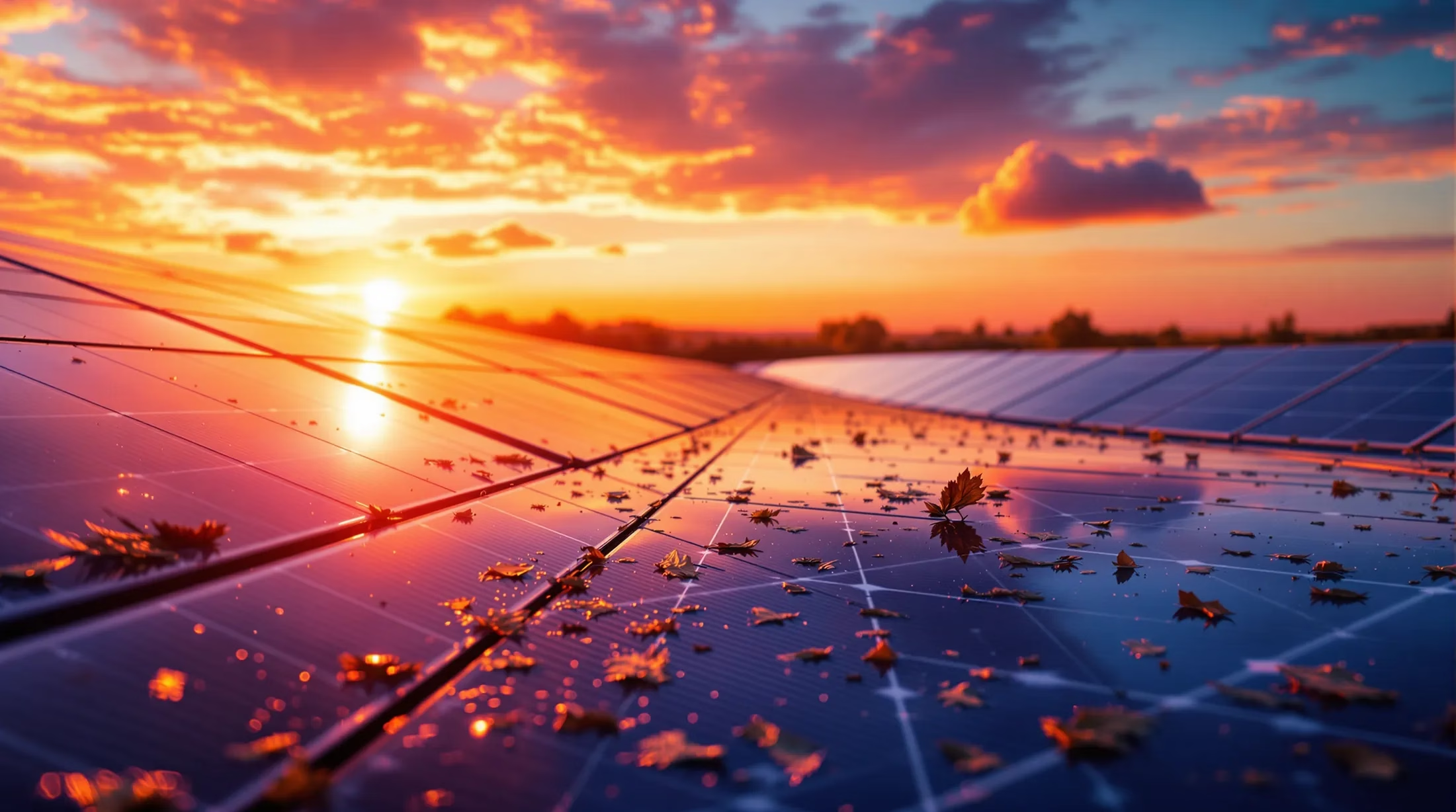
| Wooded Areas | Seasonal cleaning for leaves and sap |
| Agricultural Zones | Additional cleaning during pollen seasons |
Seasonal Considerations for Solar Panel Cleaning
Timing your cleaning schedule with seasonal patterns optimizes maintenance efficiency. Early morning cleaning is ideal, as cooler panels prevent thermal shock and soap streaking. Spring cleaning removes winter buildup, while fall maintenance prepares panels for reduced winter sunlight exposure.
Methods for Cleaning Solar Panels
Effective cleaning requires appropriate tools and techniques to avoid damage while ensuring optimal performance. While natural rainfall provides some cleaning benefit, targeted maintenance is essential for removing stubborn debris that rain cannot eliminate. The choice between DIY cleaning and professional services often depends on panel accessibility and installation complexity.
DIY Solar Panel Cleaning Techniques
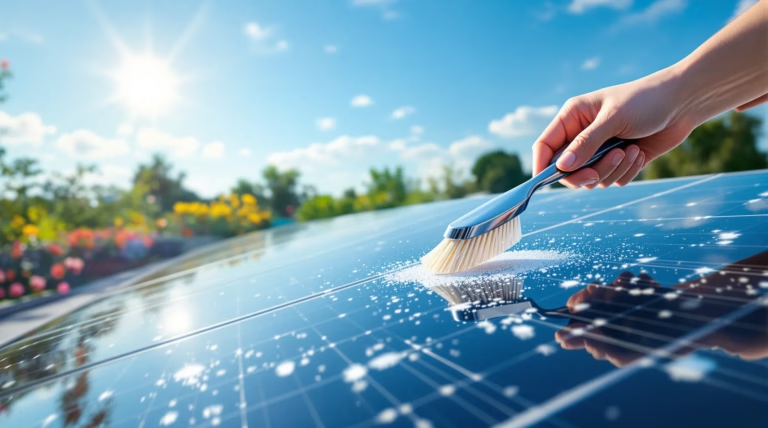
For homeowners comfortable with DIY maintenance, cleaning solar panels can be straightforward when following proper safety protocols. Begin by shutting down your system according to manufacturer guidelines. The most effective cleaning method involves using:
- Soft brush or sponge with lukewarm water
- Mild dish soap (if needed)
- Extension pole for safe reach
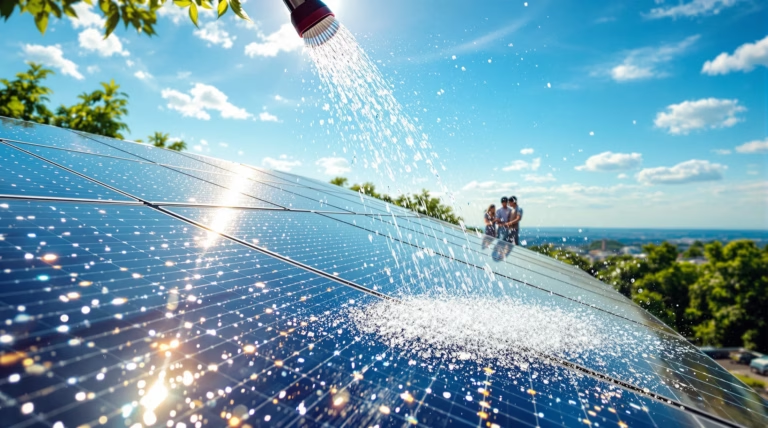
- Garden hose with soft spray nozzle
- Early morning timing for optimal results
Start by gently brushing away loose debris, then follow with a thorough rinse. For stubborn spots like bird droppings, soak the area briefly before wiping. Always finish with a clean water rinse to prevent soap residue accumulation. Remember: never use abrasive materials, harsh chemicals, or pressure washers that could damage the panels.
When to Hire Professional Solar Panel Cleaners
| Situation | Reason for Professional Service |
|---|---|
| Steep Roof Installation | Safety concerns and specialized equipment needed |
| Significant Height | Professional safety gear required |
| Performance Issues | Expert diagnosis of hard water deposits or stubborn dirt |
| Complex Installation | Specialized cleaning techniques needed |
Professional cleaning services typically cost between $100-$300, varying by system size and accessibility. Annual professional cleaning is recommended, though more frequent service may be necessary near construction sites, busy roads, or areas with heavy pollen. When selecting a provider, ensure they specialize in solar panel cleaning specifically, as standard window cleaners may lack appropriate expertise.
Tips for Maintaining Solar Panel Efficiency
Most solar panels operate at approximately 95% efficiency with natural rainfall handling basic cleaning needs. A balanced maintenance approach typically involves 1-2 cleanings per year, though specific requirements depend on local environmental conditions, panel angle, and surrounding features.
Regular Maintenance Practices
- Perform annual or semi-annual cleaning with additional spot cleaning as needed
- Conduct visual inspections for cracks or damage
- Check mounting hardware security
- Monitor vegetation growth and potential shading
- Verify electrical connection integrity
Schedule maintenance during moderate weather in spring or fall for optimal working conditions. Document each session to establish patterns for future maintenance planning.
Monitoring Solar Panel Performance
Digital monitoring systems provide the most reliable indicators for maintenance timing. Track daily, monthly, and annual energy production to identify when cleaning is necessary. Combine automated monitoring with regular visual inspections, particularly after storms, heavy pollen seasons, or nearby construction activity.
Pay special attention to panel edges and corners where dirt accumulates, and note any uneven soiling patterns that might indicate drainage issues. This data-driven approach to maintenance often yields better results than rigid cleaning schedules, as it addresses actual performance issues rather than presumed maintenance needs.