Clean Solar Light Panels: Tips for Effective Maintenance
Maximize your solar energy investment by understanding the critical role of clean solar panels. Regular maintenance not only optimizes performance but can increase energy production by up to 25%. Let’s explore effective cleaning techniques and their impact on your system’s efficiency.
Understanding the Importance of Clean Solar Light Panels
Accumulated debris on solar panels can significantly impact their performance, with soiling losses reaching up to 7% annually in the United States and 50% in dusty regions like the Middle East. Even a thin layer of dust can reduce efficiency by 5-10%, directly affecting your energy production and financial returns.
- Panels typically last 25-30 years with proper maintenance
- Regular cleaning optimizes daily energy production
- Dirt accumulation leads to substantial power output losses
- Clean panels protect long-term system health
- Maintenance preserves investment value
How Clean Panels Improve Solar Light Efficiency
Clean solar panels capture more solar radiation, enabling optimal conversion rates to usable electricity. The physics is straightforward: clean glass surfaces maximize light transmission, while dirty surfaces cause diffraction, reflection, and absorption. This effect is particularly noticeable during dawn and dusk when the sun’s angle is low.
Clean panels also operate at lower temperatures because dirt can act as an insulating layer. Cooler panels are more efficient at converting sunlight to electricity, creating a dual benefit of improved light penetration and enhanced operational efficiency.
Environmental Impact of Maintaining Solar Panels
Well-maintained solar systems maximize renewable energy production, preventing approximately 0.85-1.5 pounds of carbon dioxide emissions per kilowatt-hour compared to fossil fuel power. Proper maintenance also reduces the need for premature system replacements, minimizing manufacturing-related environmental impacts.
Effective Tips for Cleaning Solar Light Panels
Solar panel cleaning requires gentle techniques and appropriate materials to protect the system’s integrity. Avoid harsh chemicals and abrasive tools that could damage the protective glass coating.
DIY Solar Panel Cleaning Techniques
| Step | Action | Important Note |
|---|---|---|
| 1 | Clean early morning | Natural dew helps loosen dirt |
| 2 | Gentle rinse | Use garden hose, avoid high pressure |
| 3 | Clean with soft cloth | Use mild soapy water, circular motions |
| 4 | Thorough rinse | Remove all soap residue |
Recommended Tools for Solar Panel Cleaning
- Soft-bristle brush with long handle
- Garden hose with spray nozzle
- Bucket for cleaning solution
- Soft squeegee for drying
- Microfiber cloths
- Telescoping pole (for ground-mounted systems)
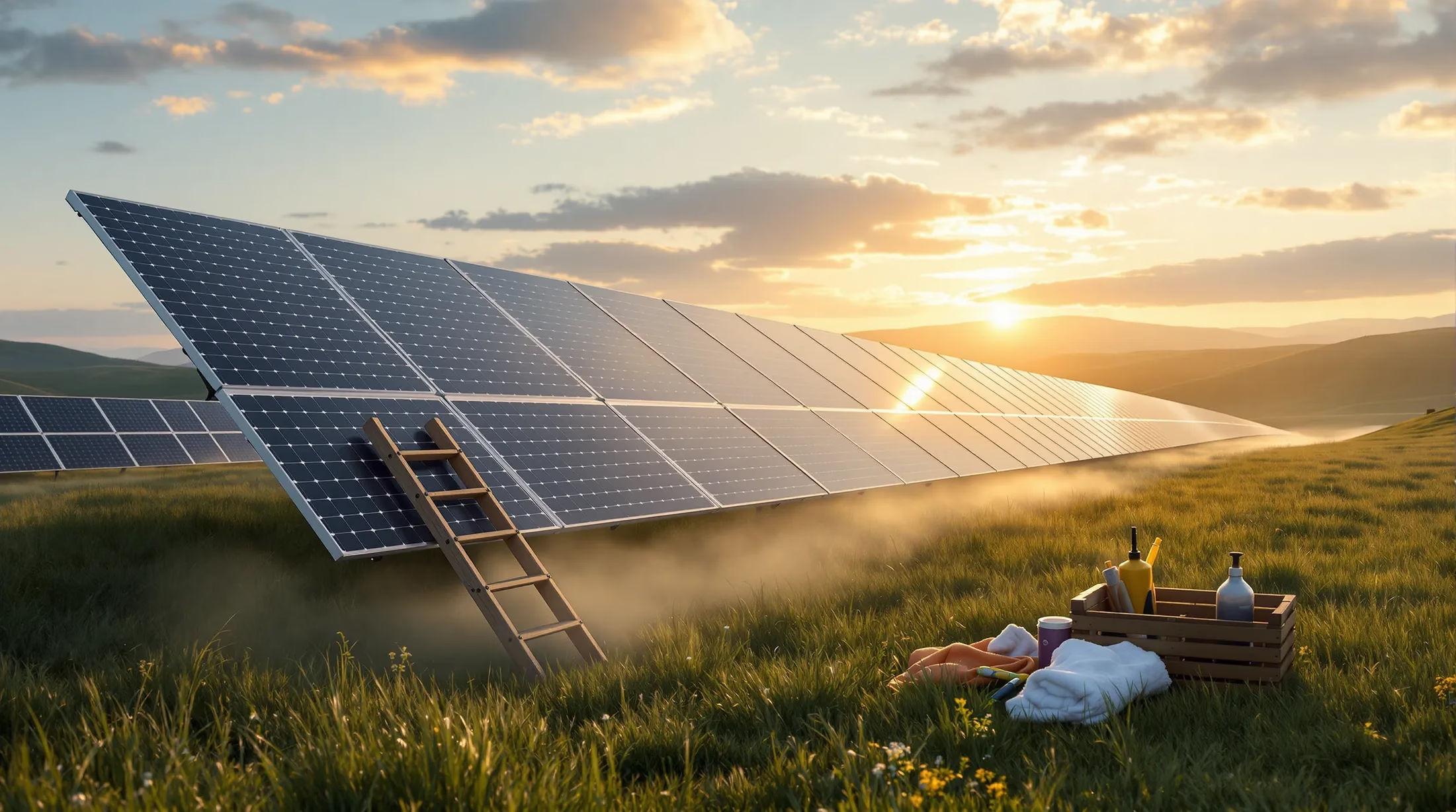
- Safety equipment (ladder, non-slip shoes, harness)
Choosing the Right Cleaning Solutions
When it comes to cleaning solutions for solar panels, gentler is always better. A simple mixture of mild dish soap and warm water is typically all you need for effective cleaning. Mix about one-eighth to one-quarter teaspoon of dish soap per gallon of water—any stronger risks leaving a film that can reduce panel efficiency. For areas with hard water, adding a small amount of white vinegar (roughly 1/4 cup per gallon) helps neutralize mineral buildup and prevent streaking when the panels dry.
- Avoid commercial cleaners containing ammonia or alcohol
- Skip abrasive substances and rough cleaning tools
- Never use scouring pads or stiff-bristled brushes
- Protect the anti-reflective coating at all costs
- Use soft cloths for stubborn debris removal
Determining the Frequency of Solar Panel Cleaning
Establishing an optimal cleaning schedule is essential for maintaining peak performance of your solar energy system. While a general guideline suggests monthly cleaning, the actual frequency depends on your specific circumstances. Dirty panels can reduce efficiency by 5% to 25%, making regular monitoring crucial for maximizing energy generation.
Factors Influencing Cleaning Frequency
- Local climate and rainfall patterns
- Proximity to highways or industrial areas
- Presence of organic matter (bird droppings, pollen)
- Panel installation angle
- Environmental conditions (dust, construction)
Seasonal Considerations for Solar Panel Maintenance
| Season | Primary Challenges | Recommended Frequency |
|---|---|---|
| Spring | Pollen, bird activity | 2-4 times |
| Summer | Dust accumulation | Monthly |
| Fall | Falling leaves, organic matter | As needed |
| Winter | Snow accumulation | Weather dependent |
Maximizing Solar Energy Output Through Regular Maintenance
Regular maintenance can boost energy production by up to 25% compared to neglected systems. Beyond cleaning, comprehensive maintenance includes checking for shading issues, inspecting electrical connections, and monitoring performance metrics. These proactive measures help identify potential problems before they lead to significant energy losses.
Long-term Benefits of Regular Solar Panel Cleaning
- Extended operational lifespan
- Lower operating temperatures
- Protected warranty coverage
- Enhanced property aesthetics
- Consistent energy production
- Stable utility bill savings
- Better performance forecasting
Cost-Effectiveness of Maintaining Clean Solar Panels
The economics of solar panel cleaning presents a compelling investment case. While professional cleaning services typically cost between $100-200 per session, they can prevent substantial energy losses worth $300-500 annually for standard residential systems. DIY approaches offer even greater cost advantages, requiring minimal equipment investment while delivering significant performance improvements.
| Efficiency Impact | Energy Loss | Environment Type |
|---|---|---|
| Moderate | 5-10% | Standard climate zones |
| Severe | 25-30% | Dusty environments |
- Prevents expensive repairs from undetected issues
- Maximizes system’s lifetime energy production
- Reduces monthly utility bills
- Optimizes energy credits
- Extends equipment longevity
The financial benefits become particularly evident when considering the long-term perspective. Properly maintained panels consistently achieve better performance throughout their operational life, making regular cleaning one of the most cost-effective investments for solar system owners. A consistent maintenance schedule not only protects your initial investment but also ensures optimal returns through enhanced energy generation efficiency.