Dirty Solar Panels: Why Cleaning Matters and How to Do It
Investing in solar panels is a significant step towards sustainable energy, but their performance can be severely compromised without proper maintenance. Research shows that dirty panels can reduce your energy production by up to 40%, directly impacting your return on investment and environmental contribution. Let’s explore why keeping your solar panels clean is crucial for optimal performance and longevity.
Understanding the Impact of Dirty Solar Panels
Solar panels represent a significant investment in sustainable energy, but their performance can be drastically compromised when dirt and debris accumulate on their surfaces. When panels become dirty, they lose their ability to effectively capture sunlight, directly affecting your energy production and financial returns. Studies show that dirty solar panels can experience efficiency reductions of up to 30-40%, depending on location and environmental conditions.
Beyond reduced energy output, dirty panels may suffer from long-term physical damage. Accumulated debris can cause hot spots, potentially leading to permanent cell degradation and premature system failure. This combination of decreased efficiency and potential damage makes regular cleaning not just a maintenance task but an essential practice for protecting your renewable energy investment.
How Dirt Affects Solar Panel Efficiency
Dirt interferes with solar panel efficiency by creating a physical barrier between sunlight and the photovoltaic cells. This obstruction prevents photons from reaching the solar cells, reducing the panel’s ability to convert light into electricity. In regions with minimal rainfall, solar panels can lose up to 30% of their generating capacity when left uncleaned, directly translating to higher electricity bills and extended payback periods on your investment.
- Light dust – reduces output by 5-10%
- Heavy soiling from bird droppings – causes significant localized shading
- Industrial pollution – creates persistent performance issues
- Partial cell shading – affects entire panel string performance
- Pollen accumulation – creates substantial efficiency loss
Common Causes of Dirty Solar Panels
| Contaminant | Impact | Characteristics |
|---|---|---|
| Bird droppings | Severe localized efficiency loss | Stubborn blockages, especially on minimal angle installations |
| Road grime | Gradual performance degradation | Black carbon particles and tire rubber creating persistent film |
| Agricultural dust | Overall efficiency reduction | Common in rural areas, widespread coverage |
| Salt spray | Difficult-to-remove residue | Particularly problematic in coastal installations |
| Morning dew | Creates cement-like residue | Combines with airborne particles when dried |
Why Cleaning Solar Panels Matters
Regular solar panel cleaning is not merely a cosmetic concern but a critical maintenance task that directly impacts your renewable energy investment. When dirt, dust, pollen, and bird droppings accumulate on panel surfaces, they create a physical barrier that blocks sunlight from reaching the photovoltaic cells. This obstruction can reduce energy production by up to 30-40% in heavily soiled panels, substantially diminishing the financial returns on your solar investment and extending the system’s payback period.
Benefits of Regular Solar Panel Cleaning
- Improved energy efficiency – up to 25% more electricity generation
- Extended system longevity – prevention of damaging hotspots
- Warranty protection – maintenance documentation for guarantee coverage
- Increased property value – enhanced curb appeal
- Financial savings – substantial returns through improved performance
Environmental Impact of Dirty Solar Panels
The environmental implications of dirty solar panels extend far beyond your property boundaries. When panels operate below optimal efficiency, they produce less clean energy, forcing greater reliance on conventional power sources that typically involve fossil fuels. This efficiency gap effectively increases your carbon footprint, as the energy not generated by your solar system must be supplemented from the grid—often from non-renewable sources that produce greenhouse gas emissions.
According to industry estimates, if all solar installations globally were properly maintained and cleaned, the additional clean energy production could offset millions of tons of CO2 emissions annually. By prioritizing regular panel cleaning, you’re not just maximizing your personal energy production—you’re making a meaningful contribution to sustainability goals and environmental protection.
How to Clean Solar Panels Effectively
Keeping your solar panels clean is simpler than many homeowners realize, yet essential for maintaining peak performance. Most solar panels require minimal maintenance, with proper cleaning capable of restoring up to 30% of lost efficiency in heavily soiled panels. The process combines gentle methods that protect delicate panel surfaces while effectively removing accumulated dirt.
The most effective cleaning approach follows a three-step process:
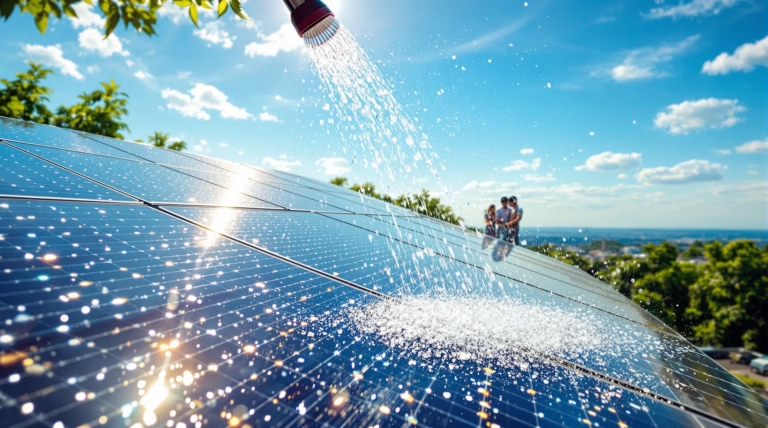
- Initial rinse with a garden hose to remove loose debris
- Targeted cleaning of stubborn spots with appropriate solutions
- Final rinse using distilled or reverse-osmosis water to prevent mineral deposits
DIY Solar Panel Cleaning Tips
For ground-mounted systems or panels on single-story homes, DIY cleaning can be both safe and effective. Clean during early morning or evening when panels are cool to prevent streaking. Use a soft brush with an extended handle or sponge, avoiding abrasive materials that could damage the glass surface. A mild soap and water solution works effectively for most cleaning needs.
- Avoid cleaning during storms or high winds
- Never stand directly on panels
- Use non-slip footwear and secure ladders
- Employ safety harnesses for rooftop access
- Practice gentle, consistent cleaning techniques
When to Hire Professional Solar Panel Cleaners
| Situation | Reason for Professional Service |
|---|---|
| High/steep roofs | Safety risks outweigh DIY cost savings |
| Heavily polluted areas | Requires specialized cleaning techniques |
| Coastal locations | Salt spray accumulation needs expert handling |
| Near deciduous trees | Substantial debris requires professional equipment |
Tools and Products for Solar Panel Cleaning
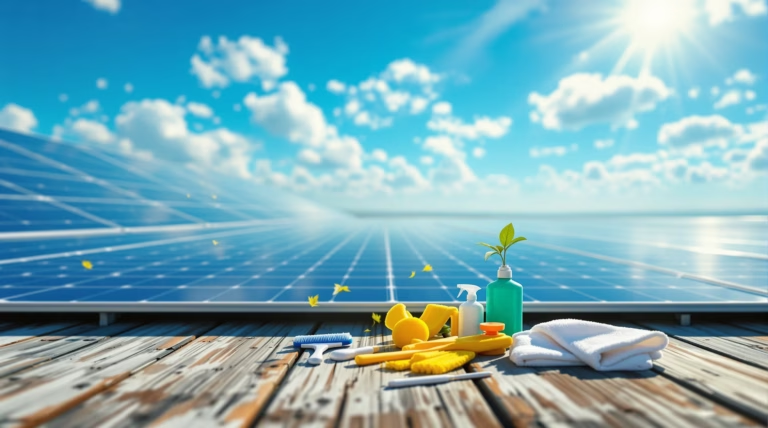
- Soft-bristle brush with extendable handle
- Garden hose with adjustable spray nozzle
- Telescoping poles (up to 30 feet)
- Non-abrasive, biodegradable soap
- Microfiber cloths or soft rubber squeegees
- Purified water system (optional for professional results)
For optimal results, store cleaning tools properly between uses to prevent contamination that could scratch panels during future cleanings. While specialized solar panel cleaning products are available, a simple solution of non-abrasive soap and water typically suffices for regular maintenance.
Signs Your Solar Panels Need Cleaning
Several clear indicators signal when your panels require cleaning. The most definitive sign is a consistent drop in energy output that doesn’t correlate with seasonal changes or weather patterns. When your monitoring system shows a steady decline in performance despite similar sunlight conditions, dirt accumulation is often the culprit. This decreased efficiency translates directly to reduced savings and extended payback periods on your investment.
- Visible dust layers on panel surfaces
- Pollen buildup creating a film-like appearance
- Bird droppings obstructing sunlight absorption
- Performance decline in similar weather conditions
- Reduced energy output readings
| Condition | Required Action |
|---|---|
| Extended dry periods | Increased monitoring for dust accumulation |
| Pollen-heavy seasons | More frequent cleaning schedule |
| Post-construction periods | Immediate inspection and cleaning |
| Minimal rainfall areas | Regular maintenance checks |
In areas with minimal rainfall, or during pollen-heavy seasons, panels may require more frequent cleaning. Be particularly vigilant after extended dry periods when dust accumulation accelerates, or following construction in your neighborhood that generates significant airborne particles.