How Often Should Solar Panels Be Cleaned? Essential Tips for Maintenance
Maximizing the performance of your solar panel investment requires understanding proper maintenance schedules and cleaning protocols. Let’s explore the essential aspects of solar panel cleaning to help you maintain optimal energy production and extend your system’s lifespan.
Understanding the Importance of Solar Panel Cleaning
Solar panel cleaning is a vital maintenance task that directly impacts performance and longevity. While designed for minimal maintenance, environmental factors can reduce their efficiency over time. Regular cleaning can boost system output by up to 30%, maximizing energy savings and ensuring full return on investment. Moreover, maintaining proper cleaning schedules is often required to maintain warranty protection.
How Dirt and Debris Affect Solar Panel Efficiency
When debris accumulates on solar panels, it significantly impacts their performance in several ways:
- A thin layer of dust can decrease efficiency by 5-10%
- Bird droppings and tree sap can create damaging hot spots
- Agricultural areas face increased pollen and dust challenges
- Urban environments struggle with pollution particles and soot
- Coastal regions battle corrosive salt spray accumulation
Signs Your Solar Panels Need Cleaning
Watch for these key indicators that signal it’s time to clean your solar panels:
- Unexpected drops in energy production not related to weather
- Visible accumulation of dust, debris, or bird droppings
- Higher neighbor air conditioning usage compared to yours
- More than a year since last cleaning in high-risk areas
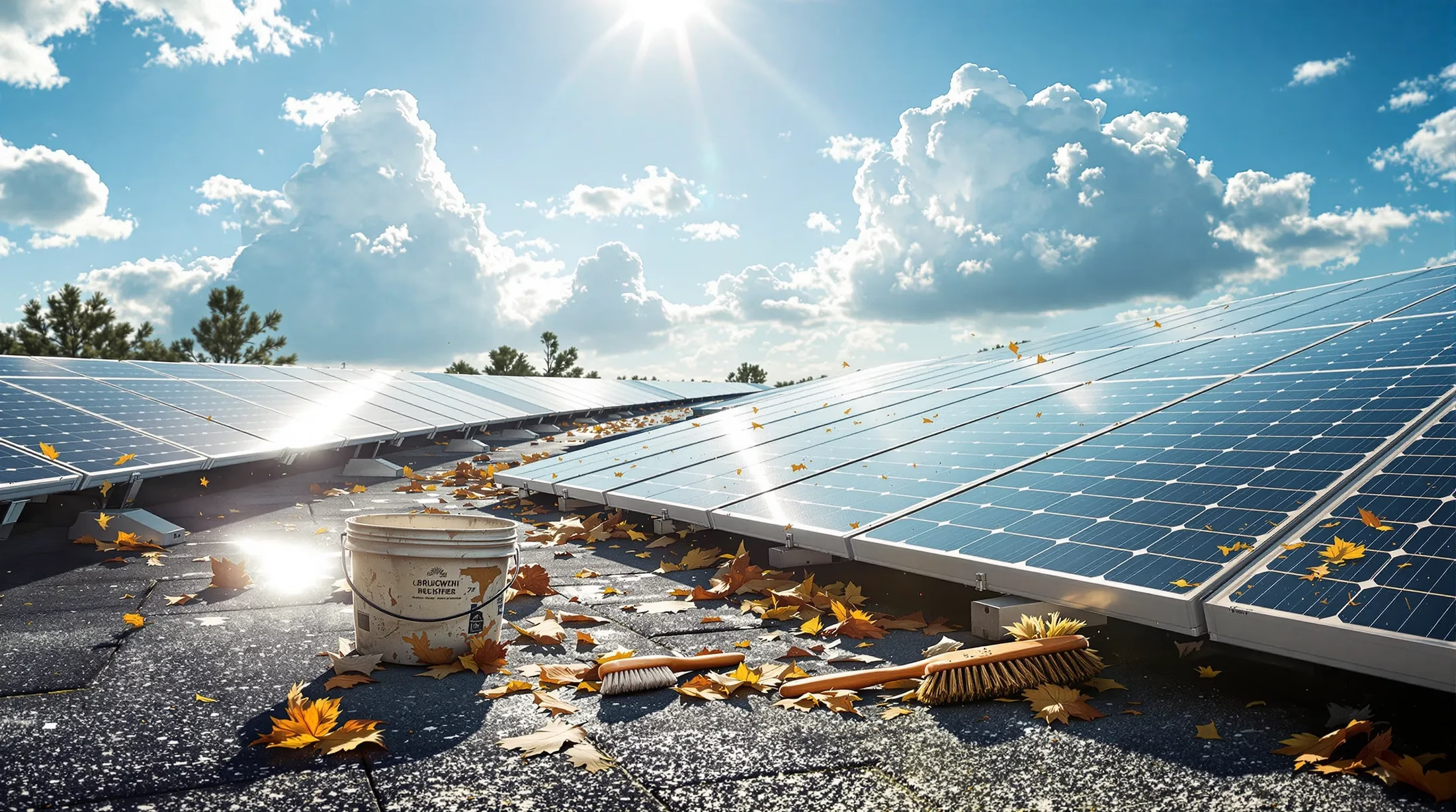
- Post-seasonal changes (after pollen season or autumn)
How Often Should Solar Panels Be Cleaned?
The typical cleaning frequency is 1-2 times annually, though natural rainfall often maintains efficiency at about 95%. Your specific cleaning schedule should be based on environmental conditions and performance monitoring data.
Factors Influencing Cleaning Frequency
| Environmental Factor | Impact on Cleaning Needs |
|---|---|
| Local Climate | Rainy regions need less frequent cleaning; dry areas require more |
| Installation Location | Proximity to agriculture, roads, or coast affects debris accumulation |
| Panel Angle | Steeper angles allow better natural cleaning from rainfall |
| Surrounding Environment | Trees, industrial areas, and urban settings create unique challenges |
General Recommendations for Cleaning Frequency
A semi-annual cleaning schedule typically works best: spring cleaning removes winter buildup, while fall cleaning prepares panels for winter weather. Monitor system performance and consider additional cleaning after extreme weather events or when energy production drops by 5% or more.
Methods for Cleaning Solar Panels
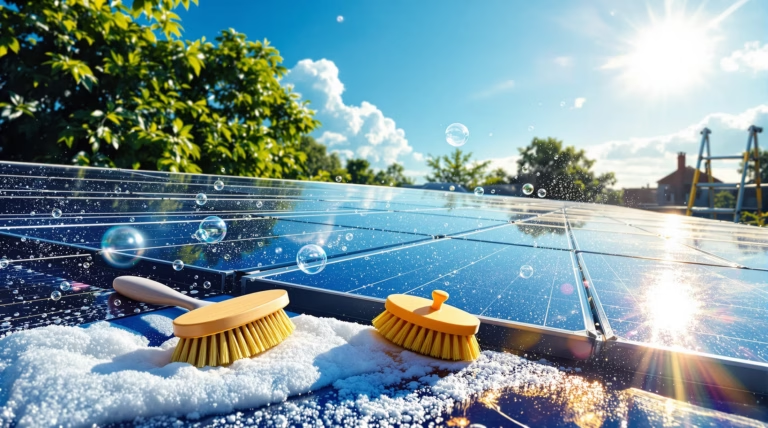
Solar panel maintenance offers two primary approaches: self-cleaning or professional services. The cleaning process remains straightforward, utilizing water and gentle tools to protect the panel surface. Most residential systems can be effectively maintained using soft brushes, microfiber cloths, or specialized solar panel squeegees.
While natural rainfall maintains approximately 95% efficiency in many areas, manual cleaning becomes necessary when visual inspection reveals significant buildup or monitoring shows decreased performance. The optimal approach typically combines personal light maintenance with scheduled professional cleanings for annual thorough maintenance or when panels are difficult to access.
DIY Cleaning Tips and Safety Precautions
- Work during early morning or evening when panels are cool and inactive
- Turn off the system according to manufacturer guidelines before cleaning
- Use soft-bristled brushes or sponges with extension poles
- Apply only regular water or approved mild soap solutions
- Avoid high-pressure washers and abrasive tools
- Never use harsh chemicals that could void warranties
- Ensure proper fall protection equipment when working on roofs
- Use only non-metallic extension tools around electrical components
Benefits of Hiring Professional Cleaning Services
| Benefit | Description |
|---|---|
| Expertise | Trained technicians with proper equipment and specialized solutions |
| Safety | Professional safety gear and experience working at heights |
| Inspection | Ability to identify potential issues during cleaning |
| Performance | Up to 30% improvement in energy production for heavily soiled panels |
| Warranty | Documented maintenance helps maintain manufacturer coverage |
Professional cleaning services typically cost between $100-$300 per session for average residential systems, varying by system size, accessibility, and location. For optimal results, schedule professional cleanings 1-2 times annually, supplementing with basic DIY maintenance between visits.
Cost Considerations for Solar Panel Maintenance
The average cost of professional solar panel cleaning ranges from $100 to $300 per service for typical residential systems. Several factors influence this pricing:
- System size and configuration
- Roof accessibility and height
- Geographic location
- Level of dirt accumulation
- Service provider expertise
While natural rainfall may suffice in many regions, investing in 1-2 professional cleanings annually prevents 5-10% efficiency losses, potentially saving hundreds in energy production costs. The most cost-effective approach combines strategic professional services with DIY monitoring, allowing homeowners to schedule cleanings based on actual performance data rather than fixed schedules.
An annual maintenance budget of $200-400 represents a sound investment that protects your initial system cost. Regular preventative maintenance proves more economical than addressing neglected systems, where accumulated issues can lead to expensive component replacements.
Environmental Considerations in Solar Panel Cleaning
Maintaining solar panels requires careful consideration of environmental impact. While clean panels are crucial for optimal efficiency, the cleaning methods used can significantly affect the surrounding ecosystem. Sustainable maintenance practices ensure your renewable energy source remains environmentally responsible throughout its lifecycle.
Choosing Eco-Friendly Cleaning Products
- Select biodegradable, non-toxic solutions specifically designed for solar applications
- Avoid ammonia-based cleaners, abrasive powders, and strong detergents
- Use eco-certified products or diluted mild dish soap (few drops in water)
- Consider plant-based cleaning solutions that naturally decompose
- Verify product compatibility with manufacturer warranty requirements
Minimizing Water and Resource Use
| Conservation Method | Implementation |
|---|---|
| Dry Cleaning | Use microfiber tools for light dust removal without water |
| Targeted Application | Employ spray bottles or low-flow nozzles to minimize water waste |
| Strategic Timing | Clean early morning when dew naturally softens dirt |
| Weather Coordination | Schedule cleaning before light rain for natural rinsing |
| Performance-Based Cleaning | Clean only when efficiency drops 5-10% |