Washing Solar Panels: Essential Tips for Optimal Performance
Maximizing your solar panel investment requires understanding proper maintenance practices. Dirty panels can significantly reduce your energy production, potentially leading to a 30% decrease in efficiency. Let’s explore the essential aspects of solar panel cleaning to ensure optimal performance and longevity of your renewable energy system.
Why Washing Solar Panels is Crucial for Efficiency
Solar panels represent a significant investment in sustainable energy production, with their efficiency heavily dependent on proper maintenance. Clean panels generate optimal energy output, while dirty ones experience reduced performance that directly impacts electricity production and financial returns. In agricultural areas or regions with minimal rainfall, dust and dirt accumulation becomes particularly problematic.
Regular cleaning ensures your solar system operates at peak efficiency, potentially preventing up to 30% energy loss due to soiling. However, it’s crucial to note that high-pressure washing should be strictly avoided as it can damage the protective seals around panel edges, leading to water ingress and shortened panel lifespan.
How Dirt and Debris Affect Solar Panel Performance
Even a thin layer of contaminants can significantly hamper solar panel efficiency. These obstructions create physical barriers that block sunlight from reaching the photovoltaic cells, directly reducing electricity generation capacity.
- Dust and pollen – create a diffuse layer reducing light penetration
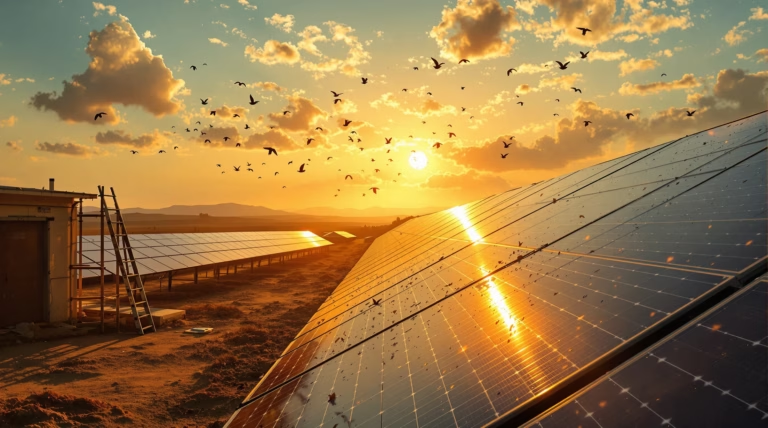
- Bird droppings – form opaque spots completely blocking sunlight
- Tree sap – creates stubborn spots requiring special attention
- Pesticide residue – forms films resistant to natural rainfall
- Agricultural particles – build up particularly during planting and harvesting seasons
Signs Your Solar Panels Need Cleaning
- Visible debris or dust layers on panel surface
- Noticeable film or haze, especially after dry periods
- Significant decrease in power generation
- Rainfall no longer effectively cleaning panels
- Increased buildup during agricultural seasons
When and How Often to Wash Solar Panels
The optimal cleaning frequency varies based on your local environment. While natural rainfall maintains panels at about 95% efficiency in many regions, most residential systems benefit from cleaning once or twice annually. However, this schedule should be adjusted based on specific circumstances and consistent monitoring of system performance.
Recommended Cleaning Frequency Based on Location
| Location Type | Recommended Cleaning Frequency |
|---|---|
| Desert regions | Every 3-4 months |
| Coastal areas | Bi-monthly |
| Urban environments | Quarterly |
| Rural/Agricultural areas | Based on planting/harvesting seasons |
| Areas with regular rainfall | Annually |
Best Time of Day to Clean Solar Panels
The ideal cleaning time is during early morning or late evening when panels are cool to the touch. During midday, panels can exceed 140°F (60°C), creating safety risks and cleaning challenges. Early morning cleaning offers optimal conditions as panels haven’t heated up, and morning dew can help soften accumulated dirt.
- Early morning – panels are cool and dew helps soften dirt
- Late evening – at least one hour before sunset
- Avoid midday cleaning – prevents thermal shock and safety risks
- Cool panels ensure cleaning solution doesn’t evaporate rapidly
- Prevents water droplets from causing potential hotspots
Step-by-Step Guide to Washing Solar Panels
Proper cleaning of your solar panels requires a methodical approach to maximize efficiency while protecting your investment. Before starting, review your solar panel warranty to ensure your cleaning methods align with manufacturer guidelines. The optimal cleaning time is early morning or evening when panels are cool, preventing thermal shock and allowing cleaning solutions to work effectively.
- Start with a gentle rinse using a garden hose to remove loose debris
- Prepare a mild detergent and water solution
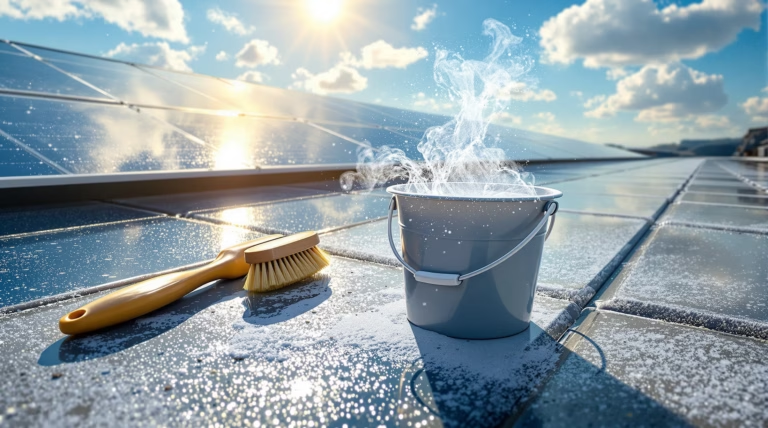
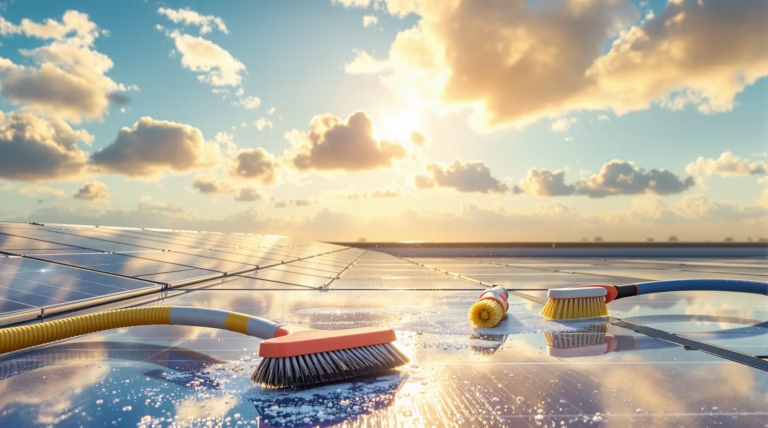
- Apply solution using a soft-bristle brush on an extension pole
- Rinse thoroughly to remove all cleaning solution
- Avoid high-pressure water systems and harsh chemicals
Essential Tools and Cleaning Solutions
| Equipment | Specifications |
|---|---|
| Brush | Soft-bristle with extendable handle |
| Water Source | Garden hose with spray nozzle |
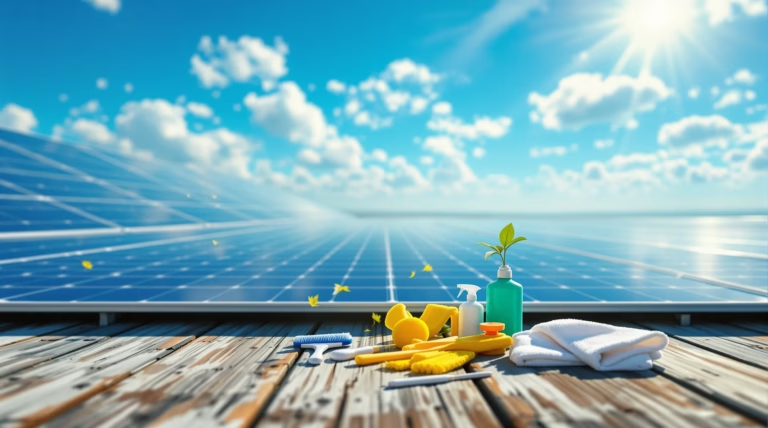
| Cleaning Solution | 1/8 cup mild soap per gallon of water |
| Drying Tools | Microfiber cloths or squeegee |
| Water Type | Distilled/deionized (for hard water areas) |
Safety Precautions for Cleaning Solar Panels
- Never clean panels during hot weather (surface temperatures can exceed 140°F)
- Work from ground level using extension tools whenever possible
- Use proper safety equipment if roof access is necessary
- Always have a spotter present during cleaning
- Follow manufacturer shutdown procedures before cleaning
- Consider professional services for difficult-to-access installations
Common Mistakes to Avoid
- Using high-pressure washers that damage seals
- Applying abrasive tools or scouring pads
- Using ammonia or alcohol-based glass cleaners
- Cleaning panels while they’re hot
- Stepping directly on panels
- Leaving soap residue that attracts dust
Alternative Methods for Cleaning Solar Panels
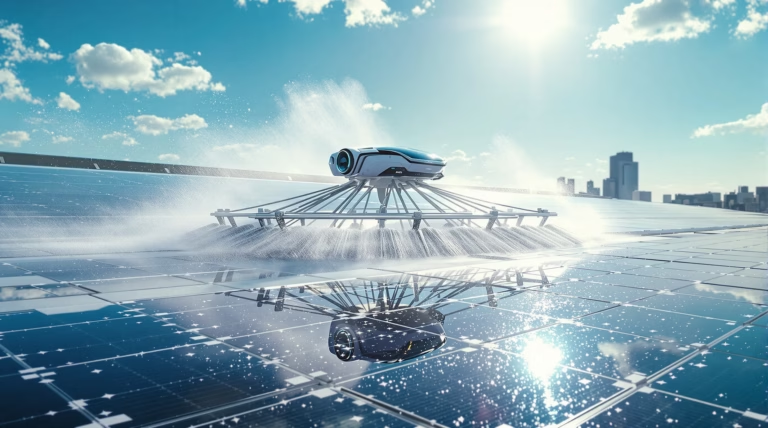
Several effective alternative cleaning methods can maintain your solar panels’ performance. Low-pressure water systems excel at removing loose dust and debris while preserving panel integrity. For areas with minimal rainfall or high dust accumulation, specialized biodegradable solar panel cleaning solutions offer enhanced cleaning power without compromising panel surfaces.
Hiring Professional Solar Panel Cleaning Services
Professional cleaning services provide specialized expertise particularly valuable for complex installations. These services typically employ trained technicians and use deionized water systems that prevent mineral residue. When selecting a service provider, prioritize companies specifically experienced in solar panel maintenance rather than general cleaning contractors. While professional cleaning represents an additional cost, the benefits often justify the investment through improved system efficiency and reduced risk of damage.
Eco-Friendly Cleaning Products and Methods
Environmentally conscious solar panel owners can maintain their systems using eco-friendly approaches that align with their sustainability values. Biodegradable cleaning solutions specifically formulated for solar panels offer effective cleaning power without introducing harmful chemicals into the environment. These specialized products are phosphate-free and plant-based, breaking down naturally after use while effectively removing pollen, bird droppings, and atmospheric pollution.
- Distilled water with mild dish soap for gentle, effective cleaning
- Microfiber cloths and sustainable soft brushes to reduce waste
- Rainwater collection systems for chemical-free cleaning
- Plant-based, biodegradable cleaning solutions
- Naturally soft water to minimize mineral deposits
Maintaining Solar Panels Year-Round
| Season | Maintenance Focus |
|---|---|
| Winter | Snow removal and ice prevention |
| Spring | Pollen and sticky residue cleaning |
| Summer | Dust accumulation management |
| Fall | Leaf debris removal and preparation for winter |
Tips for Keeping Solar Panels Clean
- Use telescoping tools for ground-level cleaning of accessible panels
- Implement monthly inspection routines for debris monitoring
- Monitor system output data to identify cleaning needs
- Consider professional services for hard-to-reach installations
- Use soft bristle brushes on extendable poles for stubborn debris
For panels in challenging locations or homeowners with mobility limitations, professional services provide a safe alternative that ensures continued system efficiency without personal risk. Regular monitoring and maintenance schedules help identify potential issues before they significantly impact performance, especially in areas near trees or agricultural activity.